In this guide
✦ Park Fees at a Glance
Kenya National Park Fees 2026
Most Kenyan parks are run by Kenya Wildlife Service and charge foreign visitors between USD 25 and USD 90 per adult per day. The Maasai Mara is the exception that skews every comparison you will read: it is not a KWS park, it is run by Narok County, and its fee doubles from USD 100 to USD 200 on 1 July. Fees are per person per day, vehicles are charged separately, and none of it can be paid in cash at the gate any more.
Every KWS figure on this page comes from the official KWS conservation fees tariff, not from another travel site. Checked 25 August 2026. Rates do change, so open that document before you budget a big trip.
The thing almost every guide gets wrong
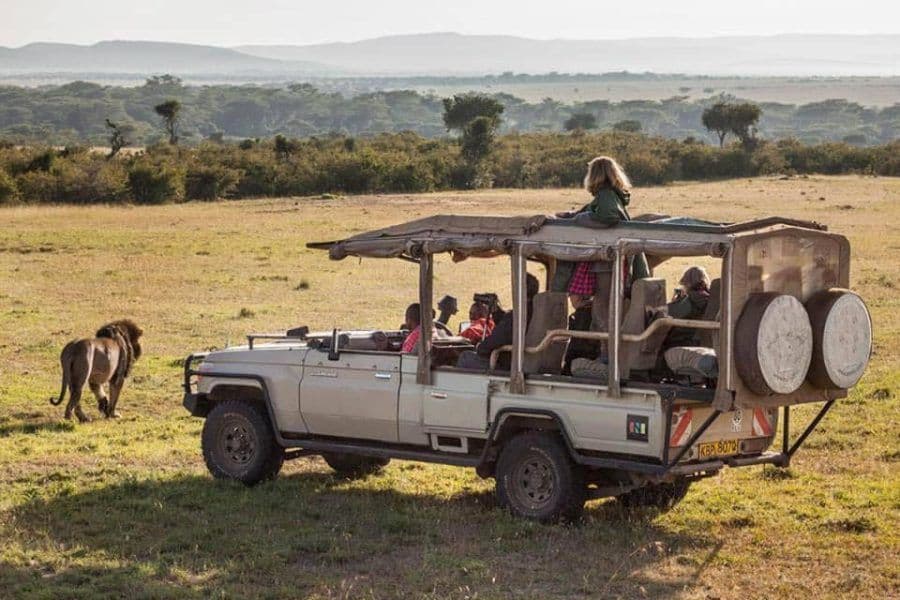
The Maasai Mara is not a national park and it is not run by Kenya Wildlife Service. It is a national reserve managed by Narok County, which sets its own prices, its own ticket rules and its own seasons. That single fact explains why the numbers you find online never seem to agree.
So when someone publishes a table of "Kenya park fees" with the Mara in the same column as Amboseli, the table is wrong. They are two different systems.
| KWS parks | Maasai Mara | |
|---|---|---|
| Who runs it | Kenya Wildlife Service, national | Narok County Government |
| Adult fee, foreign visitor | USD 25 to 90 depending on park | USD 100 or USD 200 by season |
| Ticket validity | Up to 24 hours | 12 hours, gates 6am to 6pm |
| Seasonal pricing | No | Yes, it doubles on 1 July |
| Where you pay | KWSPay on eCitizen | Narok County systems |
The 1 July jump
Narok County charges foreign adults USD 100 per day from 1 January to 30 June, and USD 200 per day from 1 July to 31 December. Two people on a four day Mara trip pay USD 800 in July and USD 400 in June for exactly the same reserve. If your dates are flexible at all, that is the single largest saving available anywhere in Kenyan tourism.
Official KWS park fees, foreign visitors
These are the non resident rates in US dollars, per person, per day, taken straight from the KWS tariff. Children are counted from five years old up to eighteen.
| Adult (USD) | Child or student (USD) | |
|---|---|---|
| Amboseli and Lake Nakuru | 90 | 45 |
| Nairobi National Park | 80 | 40 |
| Tsavo East and Tsavo West | 80 | 40 |
| Meru, Kora and Aberdare | 70 | 40 |
| Mt Kenya | 70 | 35 |
| Hell’s Gate, Longonot, Elgon, Shimba Hills | 50 | 25 |
| Mwea, Ruma, Sibiloi, Chyulu Hills, Marsabit | 40 | 20 |
| Marine parks: Watamu, Malindi, Kisite, Mombasa | 25 | 15 |
| Nairobi Animal Orphanage, Safari Walk | 25 | 15 |
Two of those categories are worth a second look. Lake Nakuru is a premium park at the same price as Amboseli, which surprises people expecting it to be cheaper. And the marine parks at USD 25 are the cheapest wildlife access in the country by a distance.
Multi park packages
| Adult (USD) | Child or student (USD) | |
|---|---|---|
| Tsavo West and Amboseli | 150 | 80 |
| Tsavo East, Tsavo West and Amboseli | 215 | 115 |
| Nairobi Park, Orphanage and Safari Walk | 105 | 55 |
How long does a park ticket last?
This is the rule that quietly costs people money and it is barely mentioned anywhere. The KWS tariff defines a daily fee as payable for a single access, valid for a period not exceeding twenty four hours. The Maasai Mara ticket, by contrast, is valid for twelve hours, with gates operating 6am to 6pm.
The practical consequence is that a three night Mara stay is charged as three separate days regardless of when you arrive, while a KWS park gives you a genuine twenty four hour window. Plan arrival times accordingly, and do not assume you can leave and come back on one ticket.
Marine parks: the cheapest wildlife in Kenya
Kisite Mpunguti, Watamu, Kuruwitu, Malindi, Mombasa, Kiunga and Diani Chale are all KWS marine protected areas, and entry is USD 25 for a foreign adult and USD 15 for a child. For residents it is KSh 675 and KSh 350, and for East African citizens KSh 500 and KSh 250. For the price of a quarter of an Amboseli ticket you get a coral reef.
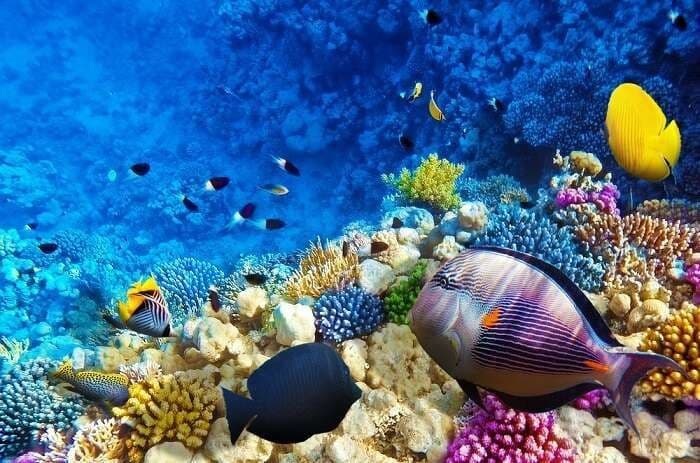
A few marine specific charges are worth knowing. A dhow excursion inside a marine protected area is USD 10 per person, sport fishing per line outside the marine parks is USD 15, and there is a marine annual pass at KSh 10,500 which pays for itself in about four visits.
If you are on the north coast, the marine park sits directly off Watamu’s beaches and most snorkelling trips include the fee in their price. Check whether yours does, because operators are not consistent about it. Our Watamu guide has more on the reef and when to go.
The charges that are not the entry fee
Park entry is per person. Almost everything else is billed separately, and this is where a budget quietly grows.
| Charge | |
|---|---|
| Vehicle, under 6 seats, per day | KSh 600 |
| Vehicle, 6 to 12 seats, per day | KSh 1,500 |
| Vehicle, 13 to 24 seats, per day | KSh 3,000 |
| Public campsite, foreign adult | USD 20 to 30 by park |
| Special campsite, foreign adult | USD 35 to 50 by park |
| Balloon safari, per landing | USD 80 adult, 40 child |
| Night game drive, per person | USD 50 |
| Drone, per drone per day per park | USD 300, KCAA licence required |
The drone fee is real, and it is USD 300
A drone costs USD 300 per drone per day per park for foreign visitors, and you need a licence from the Kenya Civil Aviation Authority before you fly at all. People arrive assuming a drone is a camera. It is not, and rangers do enforce this. If you are not filming commercially, do not bring it to Kenya, it will get confiscated at the airport! and in most parks it is illegal to use them.
Which price applies to you?
There are four payer tiers and the gap between them is large. The tariff defines each one precisely, and the definitions matter more than most visitors realise.
| Who qualifies | Amboseli example | |
|---|---|---|
| East African Citizen | Citizen of an EAC member state | KSh 1,500 adult |
| Kenya Resident | Non citizen living in Kenya on a valid permit | KSh 2,025 adult |
| African Citizen | National of an African country outside East Africa | USD 50 adult |
| Non Resident | Everyone else | USD 90 adult |
- A child is five years old or above but under eighteen. Under fives are free.
- A student means someone not older than twenty three, from a recognised school, college or university, visiting under a documented educational arrangement.
- Resident status needs a valid permit, and you will be asked to show it. Bring the physical card.
- The African Citizen tier is roughly half the non resident rate and is frequently missed by travellers who qualify for it.
Carry the document that proves your tier
Gate staff apply the tier you can evidence, not the one you claim. Residents need the permit card, students need the institutional letter, and East African citizens need the passport or national ID. Turning up without it means paying the top rate, and refunds afterwards are not a thing.
Who gets in free
The tariff lists specific exemptions from conservation fees, and they are almost never published anywhere else:
- Kenyan citizens aged seventy and above.
- Persons with disability, as defined in the Persons with Disabilities Act.
- Children aged five years and younger.
- Tour drivers, guides, boat crew and porters registered with the Tourism Regulatory Authority and belonging to a registered association.
- Beach Management Unit fishing boats are exempt from boat anchoring fees.
If you are travelling with grandparents who are Kenyan citizens over seventy, or with a child under five, do not let anyone sell you a ticket for them.
How to actually pay
KWS park feed have transitioned to cashless. You cannot rock up to a gate with dollars and expect to get in. Fees are paid through KWSPay on the eCitizen platform, by card or M-Pesa, and you arrive with a digital receipt and a QR code that the gate scans. Fees are quoted in dollars for foreign visitors but settled in shillings at the prevailing rate.
- Pay before you travel, not at the gate.
- Save the receipt as a screenshot as well as a PDF. Signal at gates is often poor.
- Book the correct tier and carry the document that proves it.
- Bring the passport or ID that matches the booking.
If you have not set up mobile money yet, our guide to money in Kenya covers how visitors register for M-Pesa with a passport in about twenty minutes, which makes paying for all of this considerably easier.
What a realistic park budget looks like
Two foreign adults with a small hired vehicle, ignoring accommodation and fuel, purely on fees:
| Fees only | |
|---|---|
| Two days Tsavo East | USD 320 plus KSh 1,200 vehicle |
| Two days Amboseli | USD 360 plus KSh 1,200 vehicle |
| Three days Maasai Mara in June | USD 600 |
| Three days Maasai Mara in August | USD 1,200 |
| One day Watamu Marine Park | USD 50 |
BEST VALUE
Marine parks
- →USD 25 per adult per day
- →Watamu, Malindi, Kisite, Diani Chale
- →Annual marine pass KSh 10,500
- →Snorkelling trips often include it
GOOD VALUE
Tsavo East and West
- →USD 80 per adult per day
- →Enormous, and far quieter than the Mara
- →Easy from the coast
- →Package with Amboseli for USD 215
PREMIUM
Amboseli and Lake Nakuru
- →USD 90 per adult per day
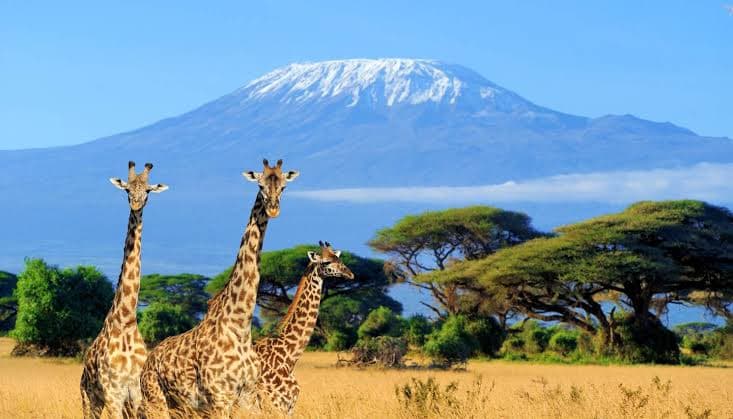
- →Amboseli for elephants and Kilimanjaro
- →Nakuru for rhino and flamingo
- →Both compact, so one day works
MOST EXPENSIVE
Maasai Mara
- →USD 100 January to June
- →USD 200 July to December
- →12 hour ticket, not 24
- →Not KWS, so book through Narok
THE VERDICT
Prepay online, travel before July, carry your documents
👍 Reasons to go
- ✓Shifting Mara dates from July to June halves the entry cost
- ✓Tsavo delivers a comparable safari at USD 80 instead of USD 200
- ✓Marine parks are the best value wildlife in Kenya at USD 25
- ✓Under fives, Kenyan over seventies and registered guides go free
👎 Think twice if...
- ✗Vehicle, camping and activity charges all sit on top of entry
- ✗No cash at the gate, so an unbooked arrival is a problem
- ✗Drone fees are USD 300 a day and need a KCAA licence
- ✗Rates change, so verify against the tariff before you budget
🎯 This page is for you if...
Kenya park fees: frequently asked questions
How much is entry to a Kenyan national park?
For foreign visitors, between USD 25 and USD 90 per adult per day at KWS parks. Marine parks are USD 25, Tsavo East and West and Nairobi National Park are USD 80, and the premium parks Amboseli and Lake Nakuru are USD 90. The Maasai Mara is separate at USD 100 or USD 200 depending on the month.
Why is the Maasai Mara more expensive than other parks?
Because it is not a KWS park. The Mara is a national reserve run by Narok County, which sets its own rates independently and has adopted a low volume, high value pricing model. Its fee is USD 100 per foreign adult per day from January to June and USD 200 from July to December, covering the migration season.
How long is a Kenya park ticket valid?
At KWS parks, a daily fee covers a single access valid for up to twenty four hours. At the Maasai Mara the ticket is twelve hours and the gates run from 6am to 6pm. In both cases it is single access rather than unlimited re entry, so plan your movements around it.
Can I pay park fees in cash at the gate?
No. KWS parks are fully cashless. Fees must be paid in advance through KWSPay on the eCitizen platform using a card or M-Pesa, and you present a digital receipt with a QR code at the gate. Save it offline, because network coverage at park gates is frequently poor.
Do children pay park fees in Kenya?
Children aged five up to eighteen pay a reduced rate, generally about half the adult fee. Children aged five and under are exempt entirely. Students up to the age of twenty three can also qualify for the child and student rate when visiting under a documented educational arrangement.
Are park fees cheaper for residents in Kenya?
Substantially. Amboseli is KSh 1,500 for an East African citizen and KSh 2,025 for a Kenya resident, against USD 90 for a non resident. There is also an African Citizen tier at USD 50 for nationals of African countries outside East Africa. You must be able to prove your status at the gate.
How much are Watamu and Malindi marine park fees?
USD 25 for a foreign adult and USD 15 for a child, the same across Kisite Mpunguti, Watamu, Malindi, Mombasa, Kiunga and Diani Chale. Residents pay KSh 675 and East African citizens KSh 500. There is also a marine annual pass at KSh 10,500 that is excellent value if you visit often.
Do I need to pay extra for my vehicle?
Yes, and it is charged per day on top of every person in it. A vehicle with fewer than six seats is KSh 600 per day, six to twelve seats is KSh 1,500, and thirteen to twenty four seats is KSh 3,000. Camping, night drives, balloon safaris and drones are all separate charges again.
The bottom line
Park fees are the largest fixed cost of a Kenyan safari and the one most people underestimate, because entry is quoted per person per day and everything else is billed on top. The two decisions that actually move the number are which park you choose and, if it is the Mara, which side of 1 July you travel.
Verify anything here against the official KWS tariff before you commit, browse the parks themselves on kws.go.ke, and pay through KWSPay. Mara bookings go through Narok County rather than KWS but are still made on the ecitizen park fees portal.
Planning the wider trip? Our guide to Kenya’s national parks covers which ones are worth the fee, the 10 day Kenya itinerary shows how bush and beach fit together, and if you are finishing on the coast, start with Watamu or Kilifi. The seaweed season guide tells you which coastal months to aim for, and getting there is covered in our transport guide and the Mombasa airport route.

KlicKenya